Time Management Tools & Techniques: Calendars to Pomodoro
What are time management tools and techniques?
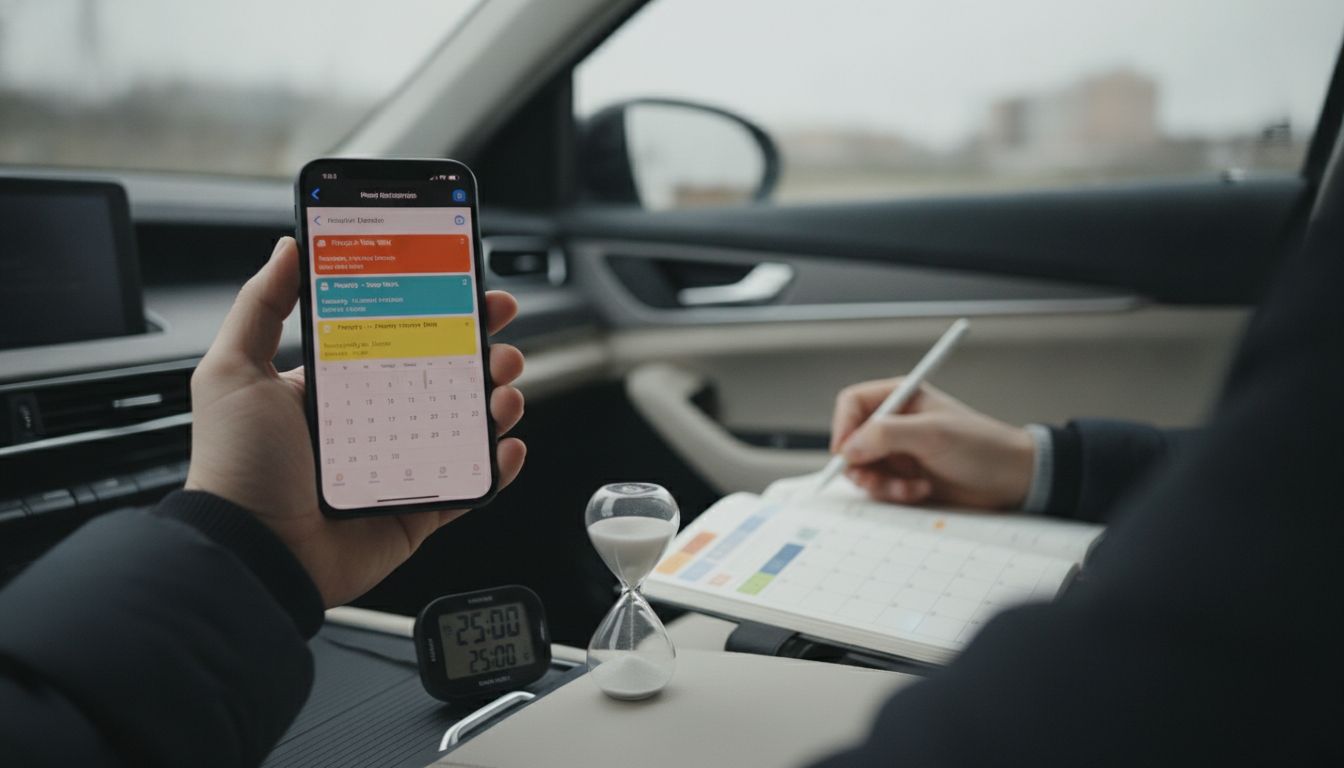
Time management tools and techniques are practical methods and resources that help plan work, prioritize tasks, and use time more intentionally. Tools are the things used to organize and track time—like calendars, timers, task managers, and project boards. Techniques are the strategies used to decide what to do first, how long to spend, and how to stay focused—like time blocking, the Pomodoro method, and priority frameworks.
Common time management tools
Calendars and scheduling apps help reserve time for meetings, deep work, and personal commitments so important tasks don’t get squeezed out. To-do lists and task managers keep actions in one place, often with due dates, reminders, and recurring tasks. Project boards (such as kanban-style workflows) visualize tasks as “to do,” “doing,” and “done,” making it easier to spot bottlenecks. Time trackers show where hours actually go, which is useful for adjusting estimates and reducing time leaks.
Effective time management techniques
Prioritization techniques (like sorting tasks by urgency and impact) reduce decision fatigue and keep attention on what matters most. Time blocking assigns specific blocks on the calendar for focused work, admin tasks, and breaks—turning intentions into a realistic plan. Pomodoro sessions use short work intervals with planned breaks to maintain momentum and avoid burnout. Batching groups similar tasks (email, calls, errands) to cut down on context switching.
How to choose what works
The best approach is simple enough to stick with and flexible enough to handle real life. Start with one tool (a calendar plus a task list is often enough), add one technique (like time blocking), and adjust after a week based on what felt effortless versus frustrating. For a deeper breakdown of options and how to apply them, visit this guide on time management tools and techniques.
FAQ
How do time management skills improve productivity?
They reduce wasted time by clarifying priorities and creating a realistic plan for the day. That makes it easier to start important tasks, stay focused, and finish more work with less last-minute stress.










Leave a comment