Sleep Better Naturally: Easy Habits for Deeper Rest
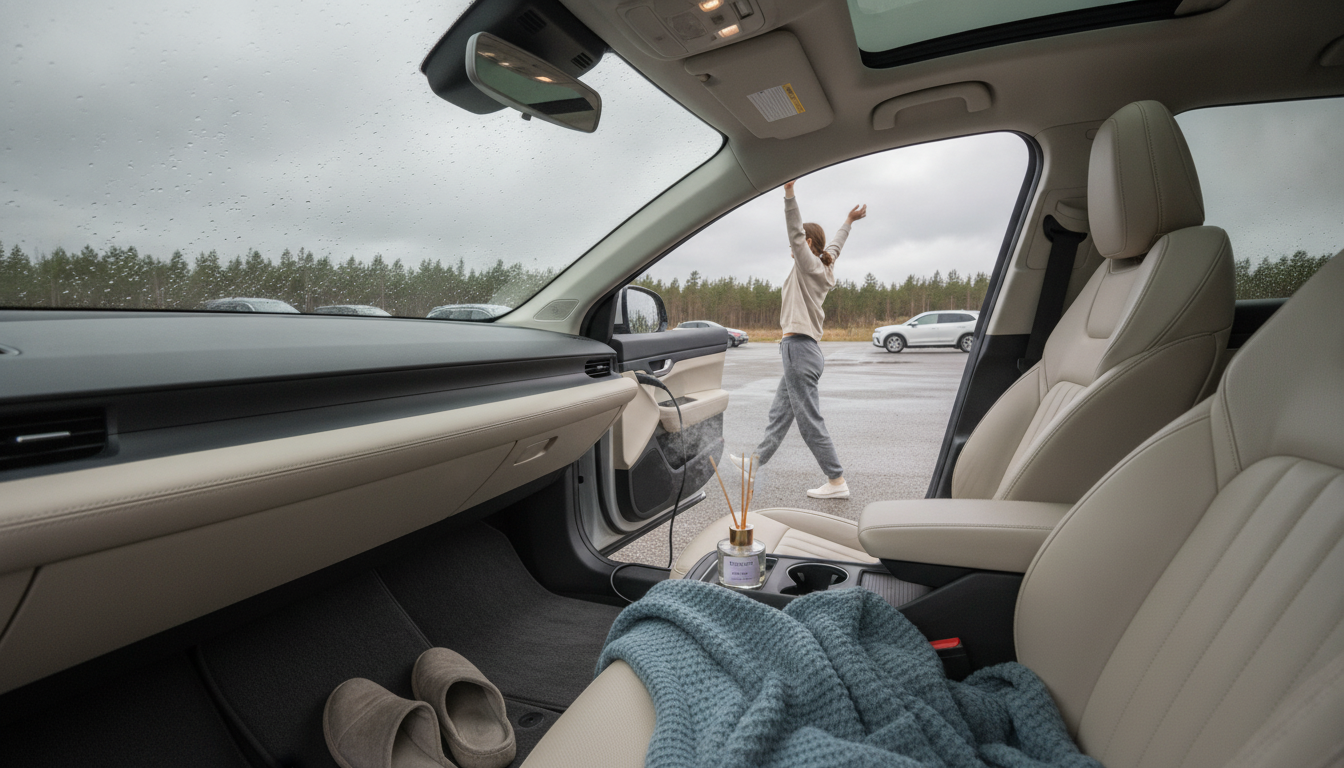
How to Sleep Better at Night Naturally
Sleeping well naturally usually comes down to two things: a steady body clock and fewer cues that keep your brain “on.” Small, consistent changes can make it easier to fall asleep, stay asleep, and wake up feeling more refreshed—without relying on supplements or harsh sleep aids.
What are natural ways to sleep better at night?
Start with a predictable schedule, then shape your environment and habits to support sleep. Aim for the same wake-up time every day (even weekends), get bright light in the morning, and dim lights at night to reinforce your circadian rhythm. Keep your bedroom cool, dark, and quiet, and reserve the bed for sleep and intimacy only.
What should you do in the hour before bed?
Create a short wind-down routine that signals “sleep is next.” Try a warm shower, light stretching, reading on paper, or calming music. Put screens away 30–60 minutes before bedtime; blue light and stimulating content can delay melatonin release and make it harder to feel sleepy.
Which daytime habits improve sleep naturally?
Move your body during the day—especially earlier rather than late at night. Limit caffeine after late morning (many people still feel effects 6–10 hours later). If you drink alcohol, keep it moderate and earlier in the evening; it can fragment sleep later in the night even if it helps you feel drowsy at first. If you nap, keep it short (10–30 minutes) and before mid-afternoon.
What if you can’t fall asleep?
If you’re awake for more than about 20 minutes, get out of bed and do something quiet in dim light (like reading). Return to bed only when sleepy. This helps retrain your brain to associate the bed with sleeping rather than tossing and turning.
For a deeper, step-by-step set of tips, see the full guide here: https://estalius.com/how-to-sleep-better-at-night-naturally/.
FAQ
Why do I wake up at 3 a.m. and can’t go back to sleep?
Common triggers include stress, alcohol, a too-warm room, or irregular sleep times. Keep lights low, avoid checking the clock, and do a calm activity outside the bed until you feel sleepy again.











Leave a comment