Relax Your Mind: 5 Quick Steps for Stress & Anxiety
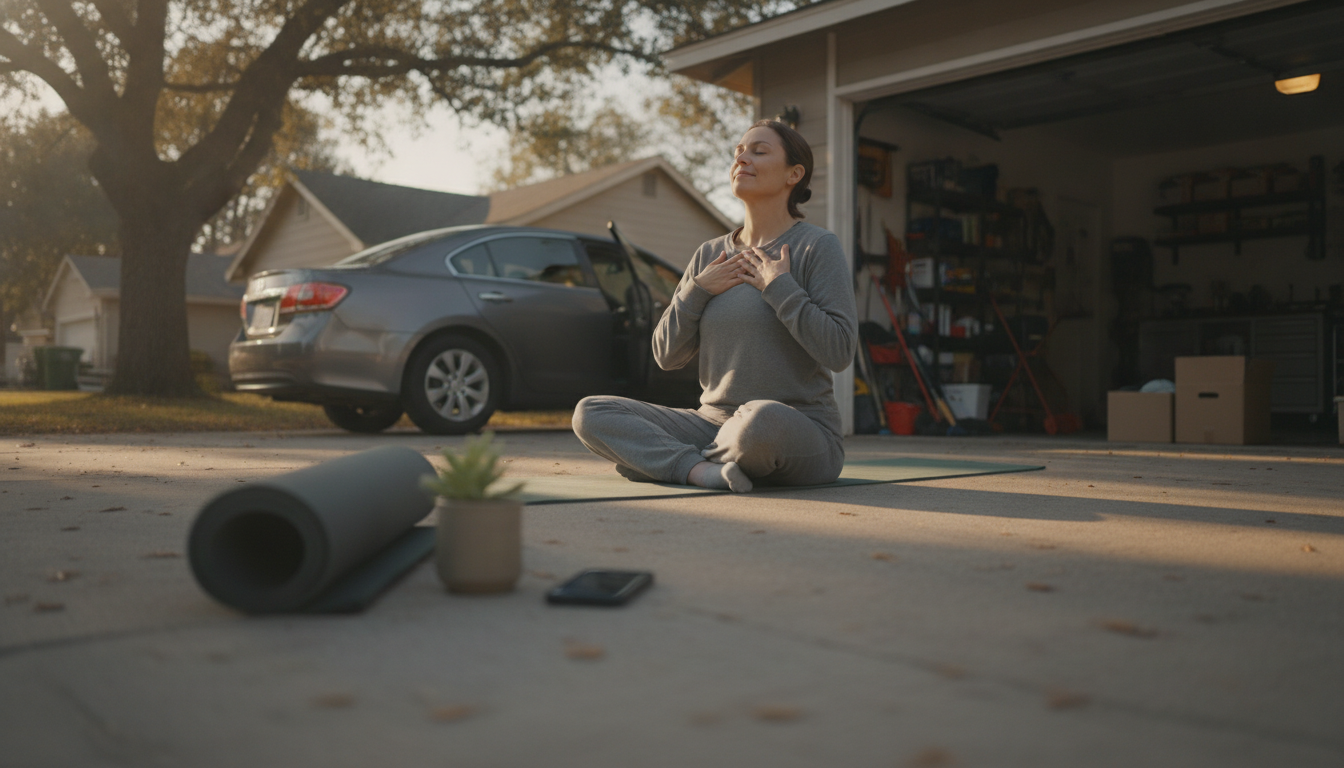
How to relax mind from stress and anxiety
When stress and anxiety spike, the goal isn’t to “force calm”—it’s to give your nervous system clear signals of safety. Start by choosing one simple action you can do right now, then repeat it for a few minutes. Consistency matters more than intensity.
1) Use a fast body reset (2–5 minutes)
Try a slower exhale: breathe in through your nose for 4 seconds, then exhale for 6–8 seconds. Repeat 6–10 rounds. Longer exhales help reduce the physical “alarm” feeling and make it easier for your thoughts to settle.
2) Ground your attention to the present
Pick one grounding cue and stick with it: feel your feet pressing into the floor, notice the temperature of the air on your skin, or name 5 things you can see. The point is to anchor your focus in something concrete when your mind starts spiraling.
3) Release tension you’re holding without noticing
Do a quick scan from jaw to shoulders to hands. Unclench your teeth, drop your shoulders, and loosen your grip. If you can, add a gentle stretch—slow neck turns or shoulder rolls—while keeping your breathing steady.
4) Put thoughts in a “container” instead of wrestling them
If your mind is racing, write a short list titled “Noted.” Capture worries as brief bullet points, then add one tiny next step for each (or mark it as “not actionable today”). This reduces mental noise without demanding immediate solutions.
5) Build a short calming routine you can repeat
Choose a predictable sequence—water, breath, light movement, then a calming cue (music, shower, warm tea). Repetition teaches your brain what “downshifting” feels like. For more guided options, use this step-by-step resource: calm-down checklist and relaxation exercises for anxiety.
FAQ
What is the difference between stress and anxiety?
Stress is typically a response to a specific pressure or demand, and it often eases when the situation improves. Anxiety can persist even when the trigger isn’t clear and may feel more like ongoing worry, dread, or physical unease.
How to relax my mind from overthinking
Set a 5-minute “worry window” to write thoughts down, then pick one grounding action (slow exhale breathing or naming what you see around you). When the thought returns, redirect gently to the same anchor instead of debating it.
How to deal with extreme stress and anxiety
Prioritize immediate regulation: slow your breathing, reduce stimulation, and reach out to a trusted person for support. If symptoms feel overwhelming, unsafe, or persistent, contacting a medical or mental health professional can provide faster, tailored help.










Leave a comment