How to Organize Before a Move: Declutter & Pack by Zone
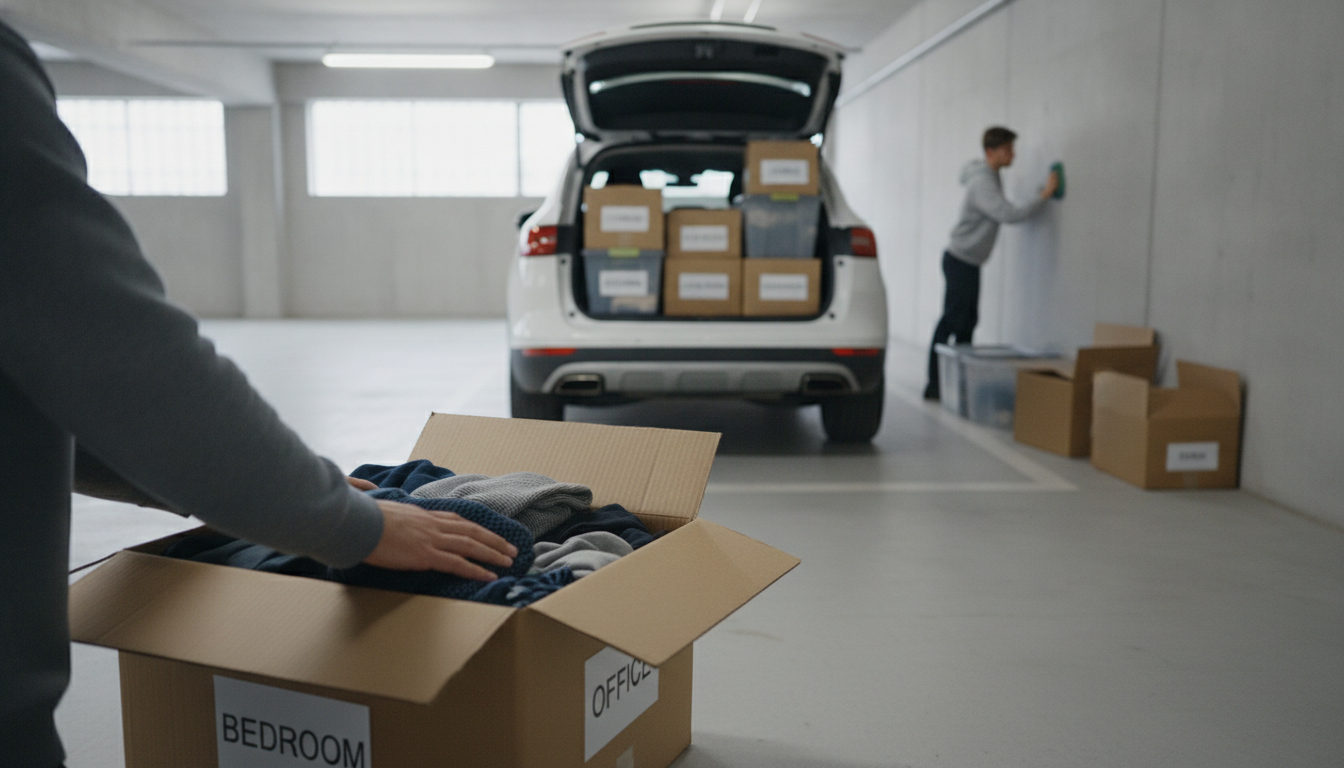
How to organize before a move
Moving feels chaotic when every room becomes a mixed pile of “keep,” “pack,” and “deal with later.” The simplest way to organize before a move is to separate decisions from packing: decide what stays, group what’s coming with you, then pack by zone with clear labels and a basic timeline.
Start with a quick plan and a “no-go” box
Pick your move date and work backward in small chunks (daily or weekend blocks). Create one “no-go” box for items you won’t pack until the final day: daily toiletries, meds, chargers, one set of sheets, a couple of cups/plates, pet supplies, and basic tools. Label it clearly so it doesn’t disappear into the stack.
Declutter first so you don’t pack clutter
Before you touch tape, do a fast purge by category: trash, recycle, donate, sell, and keep. Aim for high-impact areas first—closets, kitchen duplicates, old papers, and unused decor. If an item is broken, expired, or hasn’t been used in a year, it’s a strong candidate to let go. For a structured timeline, follow the 6-week minimalist plan here: declutter before moving.
Pack by zones, not by “whatever fits”
Assign each room a color or short code (K for kitchen, BR1 for primary bedroom). Pack one zone at a time and keep like-with-like: baking with baking, linens with linens, desk items together. Write two labels on every box: destination room and a short contents list (e.g., “K – Pantry: spices, oils”). This prevents the “mystery box” problem that slows down unpacking.
Create an essentials kit and a paperwork folder
Set aside a suitcase or clear tote for your first 48 hours: clothes, towels, basic kitchen items, Wi‑Fi gear, and kid/pet essentials. Keep move-critical documents together—lease/closing papers, IDs, mover contract, receipts, and a simple inventory—so they’re accessible on move day.
FAQ
What should you pack first when moving?
Pack items you rarely use first, such as seasonal clothing, extra linens, decor, books, and specialty kitchen tools. Save everyday essentials and daily routines for last so your home stays functional during the final week.











Leave a comment