Declutter Before Moving: A 6-Week Minimalist Plan

Why decluttering before moving changes everything
Moving has a way of turning “perfectly fine for now” clutter into a clear price tag—more boxes, more packing paper, more trips, and more time spent managing things you don’t even want. Decluttering first is the simplest way to make the entire move lighter, cheaper, and calmer.
- Less to pack means fewer boxes, fewer supplies, and fewer hours spent lifting, taping, and labeling.
- Fewer items reduces decision fatigue during the move and makes unpacking dramatically faster.
- Donating and recycling early prevents last-minute dump runs and missed donation hours.
- Keeping only what fits the next home avoids “storage unit limbo,” where you pay to postpone decisions.
If you plan to donate, it’s also smart to keep basic records and confirm the organization is legitimate. The Federal Trade Commission’s guidance on charitable donations is a solid reference point.
A realistic timeline: when to start and what to do each week
A low-stress declutter works best when it’s spread out. Start earlier than you think, but keep each session short and specific. Aim for 20–45 minutes on weekdays, then a longer block on one weekend day.
- 4–6 weeks out: tackle low-emotion zones first (linen closet, duplicates, pantry, bathroom backups).
- 3–4 weeks out: go room-by-room using a simple keep/donate/trash/sell system.
- 2–3 weeks out: refine “keep” by measuring the new space and checking storage limits.
- 1–2 weeks out: pack only what made the cut; avoid reopening decisions unless necessary.
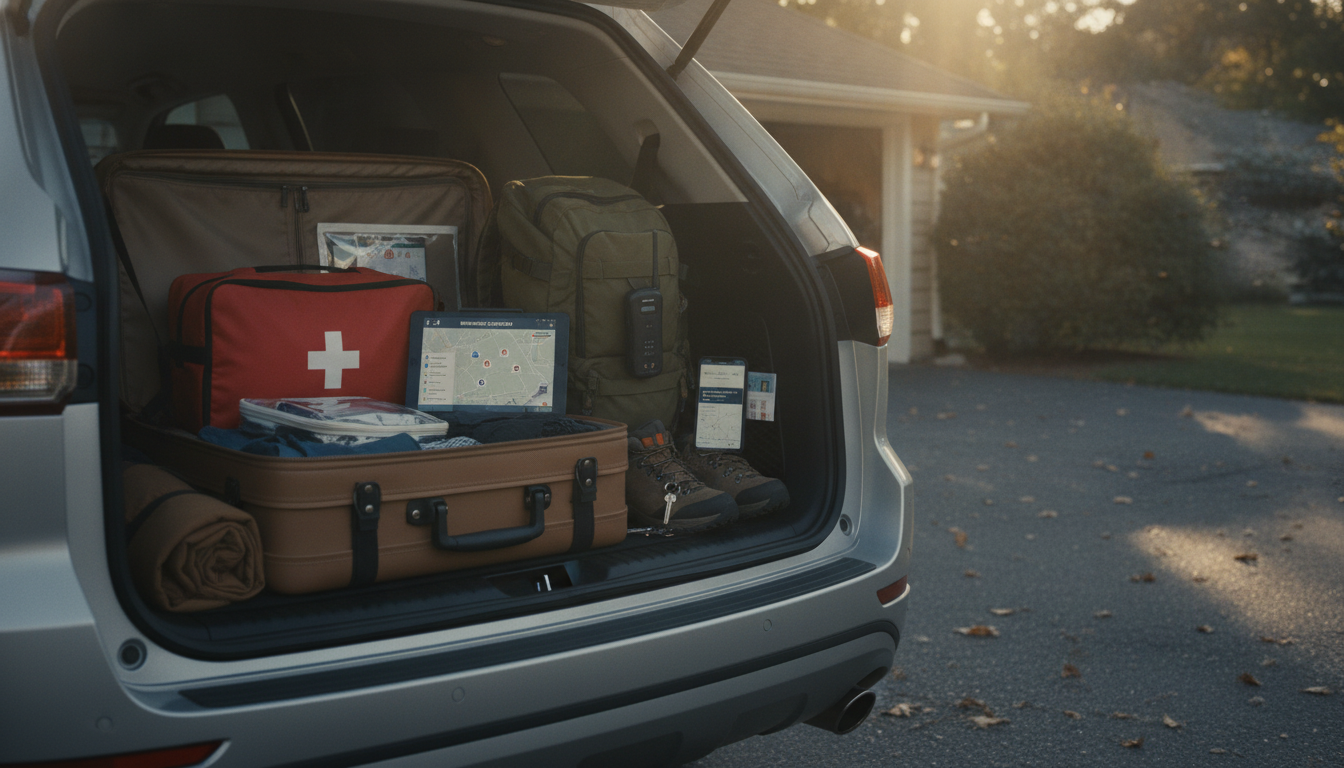
- Final days: set aside a clearly labeled essentials kit and keep donation bags in the car.
Move-Prep Declutter Schedule (Quick Reference)
| Time Before Move | Focus Areas | Goal |
|---|---|---|
| 6–4 weeks | Closets, pantry, toiletries, duplicates | Remove obvious extras; reduce volume fast |
| 4–3 weeks | Kitchen, books, décor, hobby gear | Donate/sell items that don’t match current life |
| 3–2 weeks | Clothes, shoes, linens | Create a capsule set for the next season |
| 2–1 weeks | Paperwork, cords, miscellaneous drawers | Label, recycle, and digitize where possible |
| Last week | Essentials kit + final sweep | Arrive with only what earns a place |
The minimalist sorting system that prevents backtracking
Backtracking is what makes decluttering exhausting: you touch the same items again and again. A simple container system keeps you moving forward.
- Use 4 containers: Keep, Donate, Recycle/Trash, Sell (optional).
- Define “Keep” by destination: if it has no home in the next place, it isn’t truly “keep.”
- Use a 90-day rule for maybes: decide based on the next 90 days, not the last 5 years.
- Batch similar items together (all mugs, all cables, all skincare) to spot duplicates instantly.
- Limit “Sell” to high-value, easy-to-list items; everything else moves faster via donation.
For recycling basics and what goes where, the EPA’s Reduce, Reuse, Recycle resources can help you avoid wish-cycling and keep disposal efficient.
Room-by-room decluttering prompts (fast decisions, fewer regrets)
When decisions stall, use prompts that force clarity. Focus on function first—then sentiment.
- Kitchen: keep one of each tool used monthly; donate gadgets tied to one-time recipes.
- Closet: keep the best-fitting version of duplicates; let go of “someday” sizes before packing.
- Bathroom: discard expired products; keep one open backup per category to avoid box clutter.
- Living room: choose a “calm baseline” (fewer surfaces, fewer décor pieces) for the new space.
- Home office: shred or digitize what can be stored securely; keep only current, necessary papers.
- Garage/storage: be ruthless with broken items and unfinished projects that haven’t moved in a year.
While you’re sorting and lifting, protect your body: pace yourself, keep loads manageable, and use safe lifting techniques. The CDC’s guidance on manual handling and injury prevention is a helpful refresher before heavy packing days.
What to do with the “in-between” items (gifts, guilt, and good intentions)
“In-between” items are the ones that don’t fit neatly into keep or donate. They’re still solvable—especially when you decide based on the next home, not the past.
- Gifts: appreciation is not measured by storage; keep what is used or truly displayed.
- Guilt items: separate money already spent from the value the item provides today.
- Sentimental items: choose a small container limit; photograph bulky keepsakes before letting go.
- Hobby supplies: keep what supports the hobby currently practiced; donate “aspirational” duplicates.
- Kids’ items: keep the favorites and the next-size essentials; pass along the rest quickly.
Packing after decluttering: keeping the momentum
A guided option for structured decluttering and move prep
- Declutter Before You Move with Ease | How to Declutter Before Moving | Minimalist Moving eBook & Digital Guide (a structured checklist-style approach for sorting, packing, and avoiding backtracking).
- Calm Your Body, Clear Your Mind, Balance Your Life: A Complete Guide to Natural Remedies for Cortisol Reduction (helpful when stress makes decisions feel heavier than they are).
- Personal Finance Made Easy Ebook – Budgeting, Saving, Investing & Debt Management Guide for Financial Freedom (useful for estimating moving costs and avoiding “replace it later” overspending).
FAQ
How early should decluttering start before a move?
Start 4–6 weeks ahead if possible, beginning with low-emotion areas like duplicates, pantry items, and bathroom backups. Then move room-by-room, leaving a final sweep and an essentials kit for the last week.
Is it better to declutter before packing or after moving?
Declutter before packing whenever you can, since it reduces boxes, moving time, and costs while making unpacking faster. The main exceptions are items you must keep accessible during the transition, like documents and daily essentials.
What should never be decluttered right before moving day?
Keep your essentials kit intact: important documents, medications, chargers, basic tools, and cleaning supplies for move-out and move-in. Also avoid packing away anything needed for immediate comfort, like bedding and a few basic kitchen items.











Leave a comment