Stop Dog Destruction When You’re Away: 7 Simple Fixes
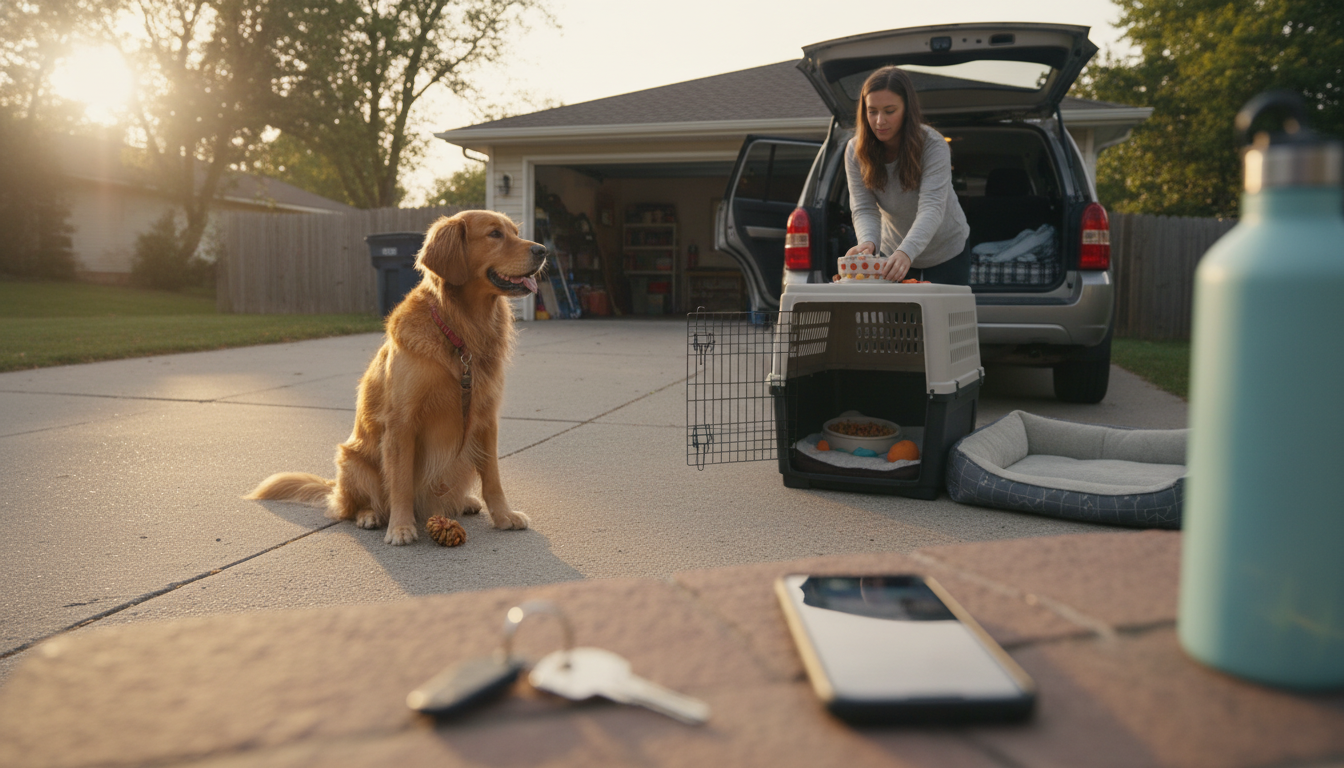
How do I stop my dog from destroying things when I’m not home?
Destruction when you’re away is usually a mix of boredom, anxiety, excess energy, and access. The fastest path to improvement is a simple routine: reduce your dog’s “need” to chew or shred, limit opportunities to practice the behavior, and reward calm, appropriate choices.
Answer
1) Rule out panic and pain first
If the damage is intense (scratching doorframes, drooling, frantic pacing, self-injury, potty accidents only when alone), treat it as potential separation anxiety and talk with a veterinarian or qualified behavior professional. Also check for dental pain or GI upset that can increase chewing.
2) Control the environment so mistakes can’t happen
When you’re gone, use a crate (if crate-trained), a sturdy playpen, or a dog-proofed room with doors closed and cords, shoes, remotes, and trash fully out of reach. Block access to the “favorite target” areas (like couch corners) so the habit can’t be rehearsed.
3) Tire your dog out before you leave
A quick potty break isn’t enough for many dogs. Aim for a brisk walk, a short training session (sit/down/target), and a few minutes of sniffing or fetch. A calmer dog is far less likely to go looking for trouble.
4) Give a legal outlet for chewing and shredding
Provide a long-lasting chew or safe enrichment item only when you leave so it becomes a positive cue. Rotate options to keep them interesting, and remove items that get destroyed too quickly.
5) Make departures boring and returns calm
Skip emotional goodbyes and excited greetings. Keep your routine neutral so leaving doesn’t feel like a major event that triggers stress or frustration.
6) Train “alone time” in small, repeatable steps
Practice short absences multiple times a day—seconds to minutes—then build gradually. Reward calm behavior and avoid big jumps in time alone.
7) Use a structured plan if the chewing is focused on furniture
For a step-by-step approach that combines management, training, and fast habit interruption, follow the plan here: https://estalius.com/guide-stop-dogs-chewing-furniture-fast-7-day-fix-plan/.
FAQ
Why does my dog only destroy things when I leave?
It’s commonly triggered by under-stimulation, stress from being alone, or a learned habit that “works” because it relieves tension. Patterns like targeted damage near exits can also point to separation-related distress.










Leave a comment