Why Dogs Destroy Things When You Leave: Causes & Fixes
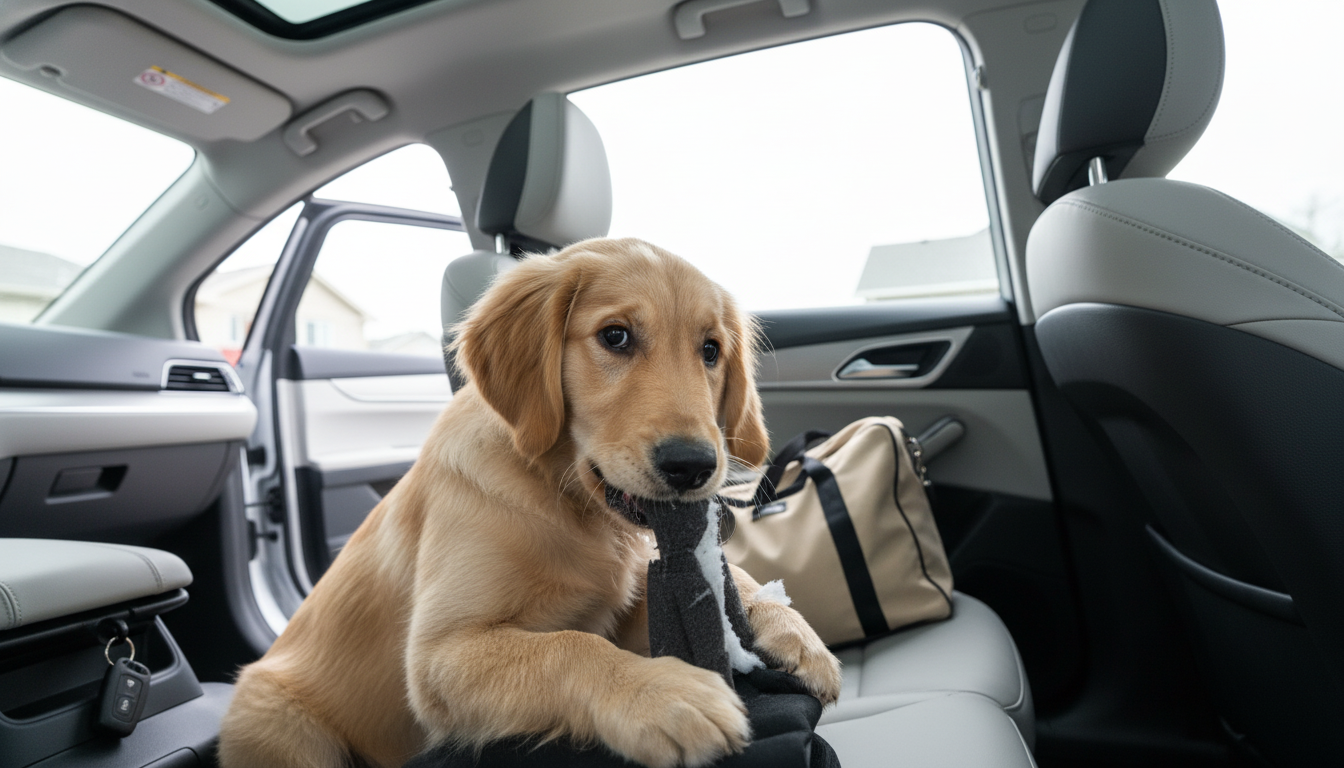
Why do dogs destroy things when you leave the house?
Dogs often destroy things when you leave the house because being alone triggers stress, boredom, or excess energy—and chewing or tearing becomes a fast way to cope. From a dog’s perspective, ripping up a pillow or gnawing a chair leg isn’t “revenge.” It’s usually self-soothing, entertainment, or an outlet for frustration.
Separation anxiety is a common driver
Some dogs panic when their person disappears. That anxiety can show up as destructive chewing, scratching at doors, digging at carpet, or shredding objects that smell like you (shoes, blankets, couch cushions). You may also notice other clues like nonstop barking, drooling, accidents indoors, or frantic greetings when you return.
Boredom and under-stimulation can look like “bad behavior”
If a dog spends hours alone without enough mental and physical activity beforehand, they’ll often create their own job—usually one you won’t like. Young dogs, high-energy breeds, and dogs that don’t get daily enrichment are especially prone to “DIY entertainment” that involves furniture, baseboards, and trash cans.
Normal chewing instincts plus the wrong targets
Chewing is natural, especially for puppies teething or adult dogs who haven’t learned what’s appropriate. When tempting textures (wood, fabric, leather) are accessible and supervision is gone, the dog practices the habit—so it gets stronger over time.
How to reduce destruction when you’re gone
Start by matching the solution to the cause: anxiety needs calm training and gradual alone-time practice; boredom needs structured exercise and enrichment; habit chewing needs management and clear “yes/no” options. Limit access to problem areas, remove tempting items, and set up a safe space. For a practical step-by-step plan focused on stopping furniture chewing quickly, see this guide to stop dogs chewing furniture fast.
FAQ
How do I stop my dog from chewing furniture while I’m at work?
Give a brisk pre-work exercise session, restrict access to the furniture (gates or a safe room), and provide legal chew options so your dog has a clear alternative. If the chewing is paired with panic signs like barking, drooling, or escape attempts, work on gradual alone-time training rather than relying on management alone.










Leave a comment