Long-Distance Moving Checklist: What to Do Before You Go
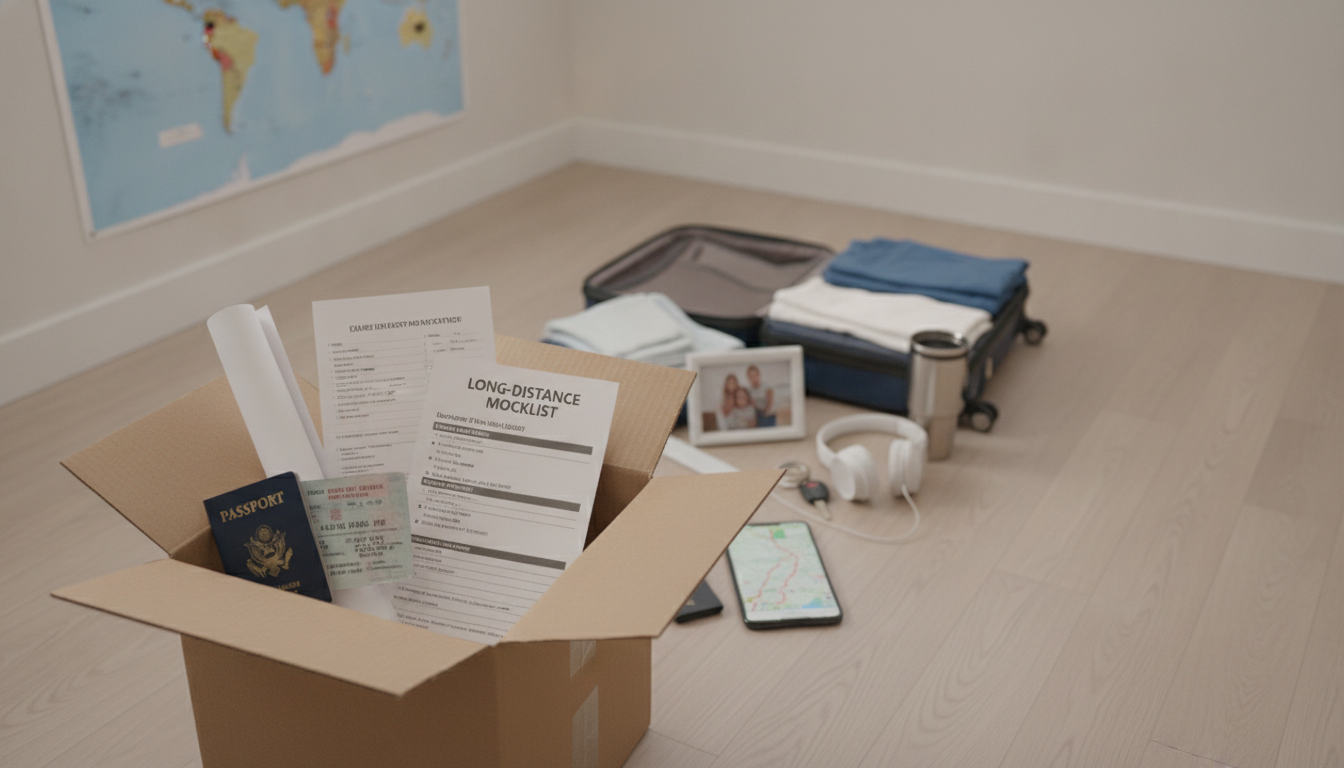
What to do before moving a long-distance?
Before a long-distance move, focus on reducing what you’re taking, locking in dates and logistics, and setting up a simple system for documents and essentials. The goal is to arrive with fewer surprises, fewer boxes, and a clear plan for the first 48 hours in your new place.
Start with a declutter-first timeline
Long-distance moves get expensive fast, so the smartest first step is cutting volume. Work room by room and decide what’s coming with you, what’s being sold/donated, and what should be trashed or recycled. If you want a structured approach, follow this step-by-step plan: declutter before moving with a 6-week minimalist plan. Less stuff means fewer packing supplies, less time loading, and lower shipping weight.
Book movers (or rental) and confirm the details in writing
Reserve movers, a moving container, or a truck as early as possible—especially for summer weekends and end-of-month dates. Confirm pickup/drop-off windows, insurance options, how delays are handled, and what’s excluded (stairs, long carries, bulky items). If you’re driving, map your route and plan overnight stops and fueling.
Create a “do not pack” essentials zone
Set aside a small set of items that stay with you: IDs, lease/closing paperwork, medication, chargers, keys, pet supplies, and a couple days of clothes. Add a basic toolkit, paper towels, trash bags, toilet paper, and a few snacks so you can function even if your shipment arrives late.
Handle address changes and service transfers early
Schedule utilities shutoff/start dates, update your address with banks and subscriptions, and set up mail forwarding. For apartments and condos, ask about move-in reservations, elevator pads, parking permits, and certificate-of-insurance requirements for movers.
Pack with long-distance in mind
Prioritize durability: reinforce box bottoms, pad fragile items well, and label boxes with both room and priority (e.g., “Kitchen—Open First”). Photograph valuable items and serial numbers. Keep irreplaceables and high-value items with you whenever possible.
FAQ
How far in advance should you start packing for a long-distance move?
Start 6–8 weeks out by decluttering and packing non-essentials first. Save daily-use items for the final week so you don’t have to unpack just to live.












Leave a comment