Calm an Overthinking Mind: A 3-Minute Reset
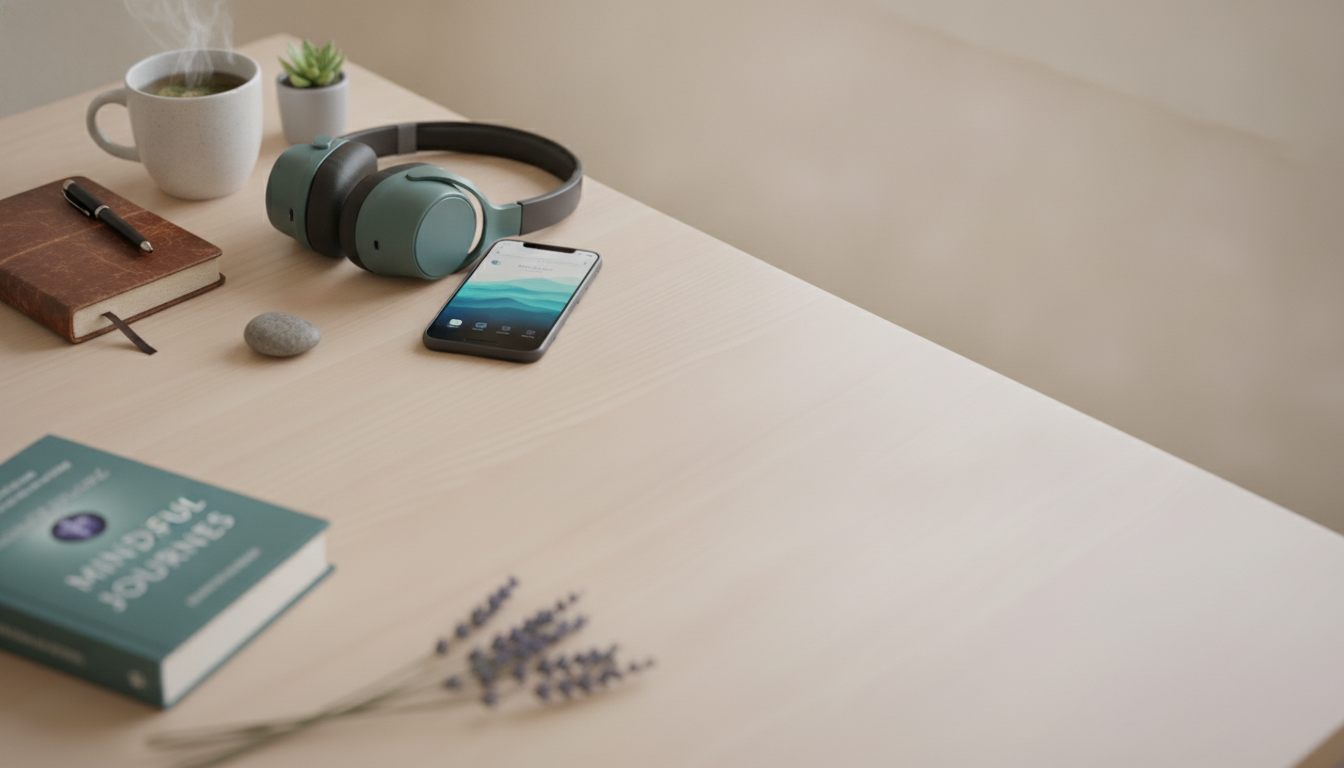
How to relax my mind from overthinking
Overthinking often feels like your brain is stuck in “solve it now” mode—even when there’s nothing you can act on in the moment. The fastest way to relax your mind is to shift from chasing thoughts to settling your nervous system. Start with something small, physical, and specific so your attention has a clear place to land.
A practical reset you can do in 3 minutes
1) Name the loop. Quietly label what’s happening: “I’m ruminating” or “I’m predicting.” Giving it a name creates distance so the thought doesn’t feel like a command.
2) Exhale longer than you inhale. Try 4 seconds in, 6–8 seconds out for 8–10 rounds. A longer exhale signals “safe enough” to your body, which makes mental noise soften.
3) Ground with five senses. Identify 5 things you see, 4 you feel, 3 you hear, 2 you smell, and 1 you taste. Overthinking thrives in the abstract; sensory details bring you back to the present.
Swap “figure it out” for “contain it”
If your mind keeps reopening the same topic, give it boundaries. Write a quick “parking lot” note: the worry, one next step (if any), and when you’ll revisit it (for example, tomorrow at 4:00 p.m.). If there’s no action, write: “No decision needed today.” This reduces the pressure to mentally rehearse it all night.
Relaxation ideas that work when you feel keyed up
Try progressive muscle relaxation (tighten then release muscle groups from feet to face), a brief walk without your phone, or a warm shower with slow breathing. For a guided set of calming options you can mix and match, use the checklist in this calm-down guide.
When to get extra support
If overthinking is interfering with sleep, appetite, work, or relationships most days, professional support can help you build skills faster (and rule out underlying anxiety or mood issues). If you ever feel unsafe, seek immediate help in your area.
FAQ
Why does overthinking get worse at night?
At night there are fewer distractions, fatigue lowers coping skills, and your brain tries to “close open loops” before sleep. A consistent wind-down routine and a set worry-time earlier in the day can reduce bedtime spirals.












Leave a comment