Guide to Solo Travel Book: What It Covers & Who It’s For
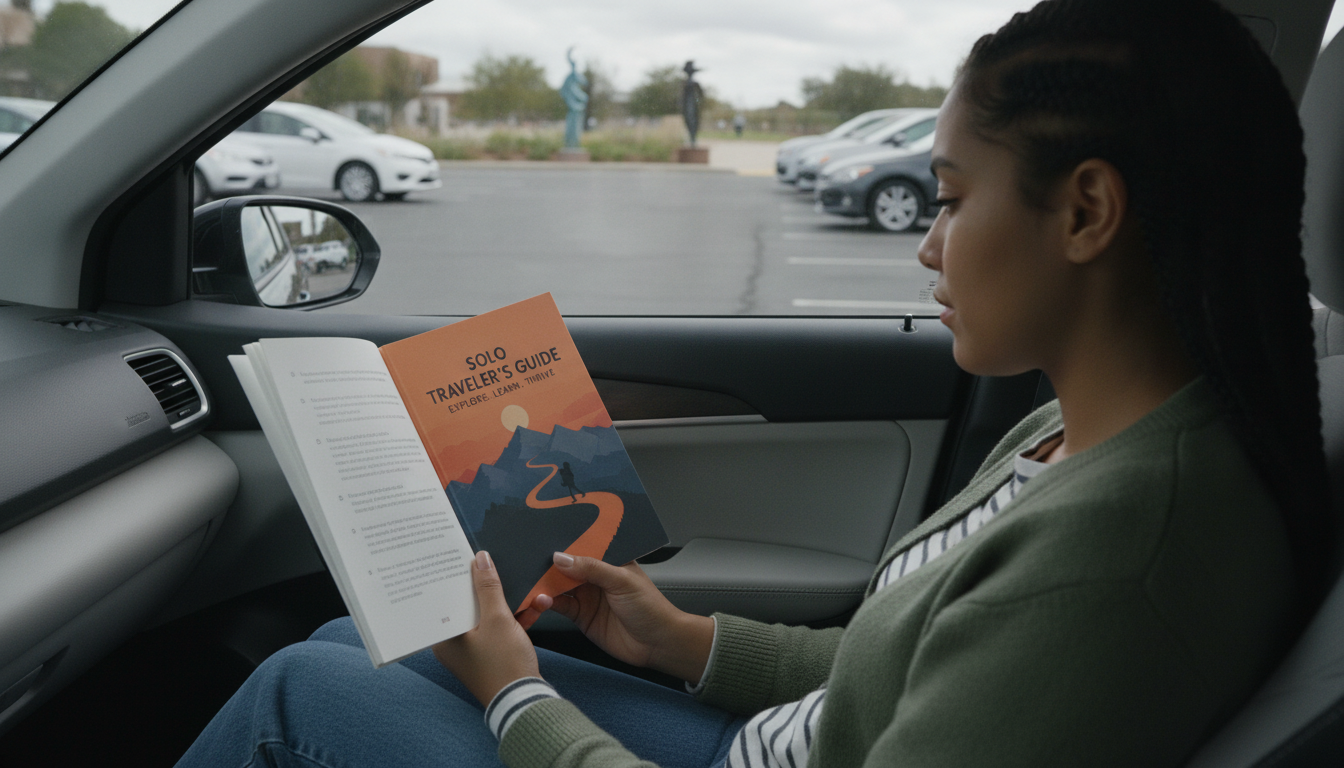
What is the guide to solo travel book?
The Guide to Solo Travel is a practical travel book designed to help you plan, navigate, and enjoy trips on your own. Instead of focusing on one destination, it centers on the real-world skills that make solo travel smoother—choosing where to go, building an itinerary that fits your comfort level, and handling the moments that feel intimidating when you don’t have a companion to lean on.
At its core, the book is about confidence and preparedness. It typically covers topics like budgeting, transportation, accommodations, personal safety, meeting people on the road, and staying flexible when plans change. For first-time solo travelers, it can serve as a step-by-step reference; for experienced travelers, it works as a refresher packed with checklists and mindset tips.
What you can expect inside
A guide to solo travel book is usually structured to answer the questions that come up before and during a trip. That includes how to pick a destination that matches your interests, how to pack efficiently, and how to set boundaries while still being social. Many readers look for advice on managing anxiety, dining alone comfortably, and creating a daily routine that balances exploration with downtime.
You’ll also find guidance on staying organized—keeping documents accessible, planning transit days, and using backup options when something falls through. The best guides don’t try to remove spontaneity; they help you build a safety net so spontaneity feels fun instead of stressful.
Who it’s best for
This type of book is ideal for anyone considering a first solo trip, people returning to travel after a long break, or travelers who want to feel more independent. It’s also helpful if you’re traveling for a specific reason—like a life transition, a gap year, or a work trip with extra personal days—and want a framework that keeps the experience enjoyable and manageable.
Learn more
For a deeper look at what the book covers and how it can support your travel plans, visit https://estalius.com/what-is-the-guide-to-solo-travel-book/.
FAQ
What are the best tips for staying safe while traveling alone?
Share your itinerary with someone you trust, keep copies of important documents, and stay aware of your surroundings—especially at night. Choose lodging with solid reviews and reliable transportation options, and trust your instincts if a situation feels off.






Leave a comment