Feeding Your Fish Enough: Signs, Timing & Water Clues
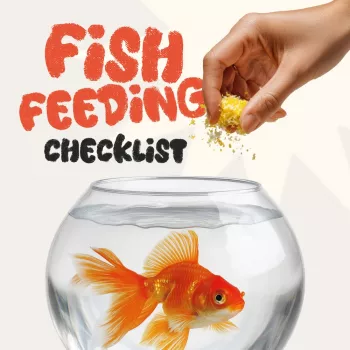
How do I know if I’m feeding my fish enough?
“Enough” looks different depending on your fish’s species, age, tank temperature, and even how active it is day to day. Instead of chasing a single number of pellets, use a few simple signals to confirm your fish is getting the right amount without polluting the water.
Watch how fast food disappears
A practical benchmark is that most fish should finish a small feeding within about 1–2 minutes. If food is still drifting, sinking, or piling up after that window, the portion is likely too large. If your fish finishes instantly and keeps searching frantically every time, you may be underfeeding or feeding too infrequently.
Check body shape and behavior
A well-fed fish typically has a smooth, proportionate body profile. A pinched belly or visible thinning behind the head can signal underfeeding (or illness). On the other hand, a rounded belly after every meal, sluggish swimming, or long strings of waste can point to overeating. Healthy appetite is normal; constant begging behavior alone isn’t proof your fish needs more food.
Use water quality as a “receipt”
Overfeeding usually shows up in the tank before it shows up on the fish. If you notice cloudy water, excess algae, a dirty substrate, or rising ammonia/nitrite/nitrate readings, feeding is often part of the problem. When portions are right, the tank stays cleaner between maintenance and test results remain stable.
Adjust by tiny steps, not big swings
If you suspect underfeeding, increase the portion slightly or add a second small feeding. If you suspect overfeeding, reduce portions and remove uneaten food promptly. Consistency matters more than occasional “big meals.”
For a deeper breakdown by fish type and feeding routines, see the full guide here: https://estalius.com/how-do-i-know-if-i-m-feeding-my-fish-enough/.
FAQ
How often should I feed my fish each day?
Most community fish do well with 1–2 small feedings daily, while some species and fry may need more frequent, smaller meals. Start with a consistent schedule and adjust based on body condition and water quality.











Leave a comment