Stress-Free Dog Bath Routine + Printable Checklist
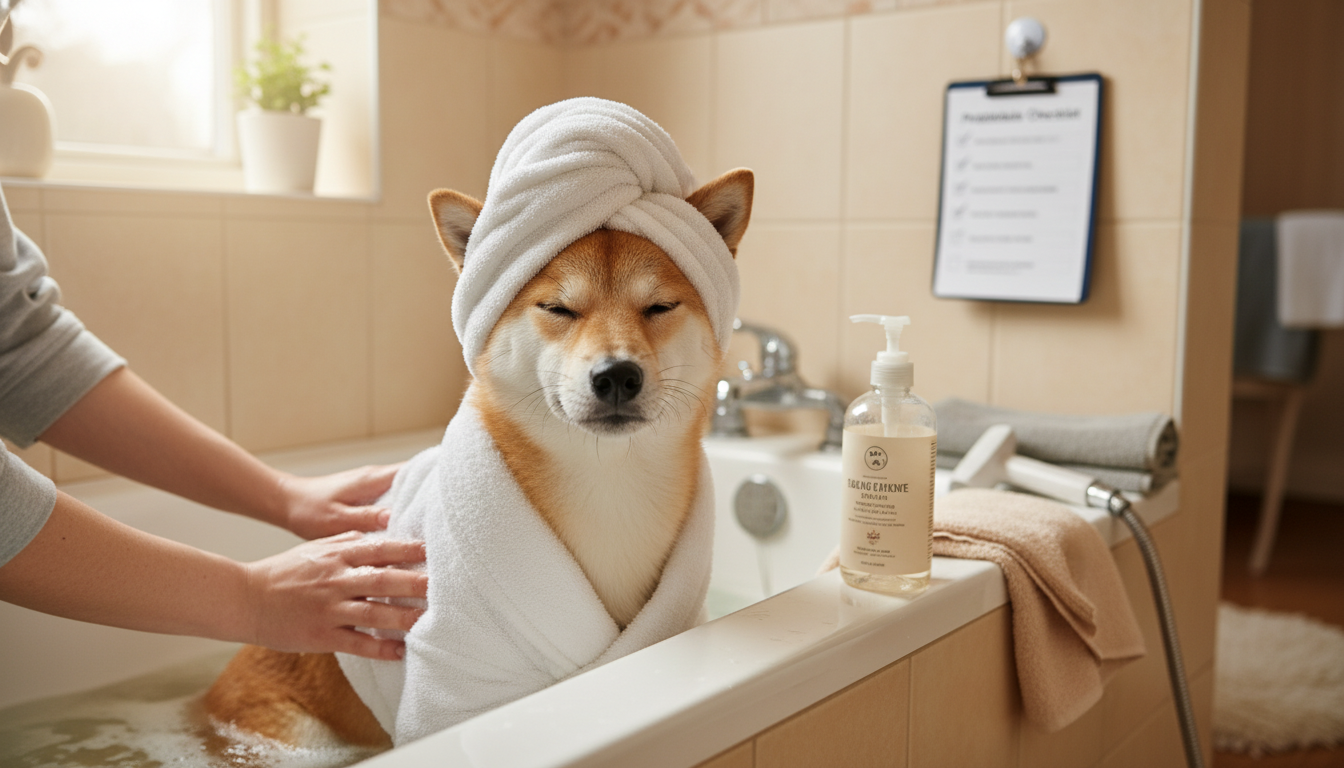
Splish, Splash, No Fear: A Calm Dog’s Guide to Bath Time (With a Printable Checklist)
Bath time can feel like a wrestling match when a dog is scared of water, slippery surfaces, loud faucets, or being handled. A calmer routine is possible without forcing, rushing, or “getting it over with.” The goal is to lower stress, build predictable steps, and reward brave behavior—so bathing becomes manageable for both dog and owner. Below is a practical, gentle plan that covers prep, calming techniques, washing steps, and what to do when a dog refuses the tub.
Why dogs panic during baths
Many “bath-hating” dogs aren’t being stubborn—they’re responding to triggers that stack up fast in a small, echo-y bathroom.
- Common stress triggers: loud running water, unfamiliar shampoo smells, slippery tub floors, restraint, and water on the face/ears.
- Learned fear: a past slip, water in the eyes, or ear discomfort can teach a dog that baths are unsafe.
- Handling sensitivity: paws, tail, hips, and belly may be uncomfortable—especially for seniors or dogs with skin or joint issues.
- Sequence overload: some dogs are overwhelmed by the whole chain (bathroom → tub → water → towel → dryer), not water alone.
- “Shut down” isn’t calm: a still, silent dog may be highly stressed; a gentle plan prioritizes choice, slower steps, and predictable cues.
Common bath-time fears and simple adjustments
| Fear trigger | What it looks like | Try this adjustment |
|---|---|---|
| Slippery tub | Scrambling, stiff legs, trying to jump out | Add a rubber mat/towel for traction; keep one hand as steady support |
| Loud water | Whining, shaking, ears back, panting | Fill a cup/bucket first; use a gentle pour instead of running faucet |
| Water on face | Snapping at cloth, head tossing, backing away | Use a damp cloth for the face; avoid direct spray; protect eyes |
| Handling sensitivity | Growling when paws/hips touched, pulling away | Short handling sessions outside bath; slow touch + treat pairing |
| Strong scent or sting | Trying to escape after shampooing | Use a dog-appropriate, mild shampoo; rinse longer than expected |
Set up for success before the first drop of water
The easiest bath is the one you prepared for. A few small adjustments can remove the biggest stressors before your dog ever steps in.
- Pick the least stressful location: tub, walk-in shower, sink for small dogs, or an outdoor rinse on a warm day—choose the setup your dog tolerates best.
- Make footing safe: place a rubber mat with a towel on top for grip; keep the room warm to prevent shivering stress.
- Keep supplies within reach: shampoo, a cup or gentle sprayer, towels, optional cotton balls for the ear opening area, brush, treats, lick mat, and a non-slip lead if needed.
- Brush first: pre-bath brushing reduces tangles and cuts down shampoo time (shorter baths tend to be calmer baths).
- Choose a calm window: avoid bathing right after intense exercise, a chaotic household moment, or visitors—aim for predictable quiet.
- Plan rewards: use tiny, high-value treats for calm steps (entering the bathroom, stepping into the tub, standing still for two seconds).
A calm, step-by-step routine for dogs who hate baths
Think of bath time as a cooperation skill, not a one-time event. Your goal is to keep the intensity low enough that your dog can learn.
Calming tools that reduce struggle (without forcing it)
When to stop, slow down, or get help
- Stop and reset if you see repeated escape attempts, trembling, tucked tail with whale eye, intense panting, or freezing with wide eyes.
- Consider a vet check if bath aversion is sudden or worsening; pain (ears, skin, joints) can make bathing feel intolerable.
- Use the right products for frequent skin conditions—ask a veterinarian about shampoo type and bathing frequency to avoid worsening irritation.
- Get behavior support for severe panic or any bite history. For finding qualified help, consult the American College of Veterinary Behaviorists. For general fear and anxiety basics, see the ASPCA.
Printable checklist: the calm bath plan
A ready-to-use digital guide and checklist for calmer bath days
- Splish, Splash, No Fear: A Calm Dog’s Guide to Bath Time (digital guide + printable checklist) — a step-by-step routine built for fearful dogs, plus a printable checklist to keep every bath consistent.
- A Practical Guide to Calming Your Nervous System — helpful for staying steady and patient during training moments when your dog’s stress (and yours) rises.
For safety reminders around fearful behavior, review the American Veterinary Medical Association (AVMA) guidance on dog bite prevention—especially if your dog has ever snapped when feeling trapped.
FAQ
How often should a dog be bathed if they hate baths?
Keep baths as infrequent as practical while still maintaining hygiene, which often ranges from every few weeks to every couple of months depending on coat type, lifestyle, and skin needs. Between baths, brush regularly and use spot-cleaning on muddy paws or dirty areas. If your dog has ongoing skin issues, follow a veterinarian’s recommended schedule and shampoo.
What if my dog tries to bite during bath time?
Stop the session and prioritize safety—create distance, let your dog decompress, and avoid punishment. A sudden increase in aggression can also be linked to pain (ears, skin, joints), so a veterinary check is wise. For ongoing risk, work with a qualified professional on a behavior plan and consider muzzle conditioning under guidance.
Is it okay to use treats during the bath?
Yes—rewards can help change your dog’s emotional response by pairing bath steps with something good. Use small, high-value treats or a lick mat and reward calm pauses (like standing still briefly), then continue slowly. Avoid feeding in a way that encourages frantic scrambling; aim for steady, relaxed engagement.










Leave a comment