How to Cope With Extreme Stress and Anxiety Quickly
How to deal with extreme stress and anxiety
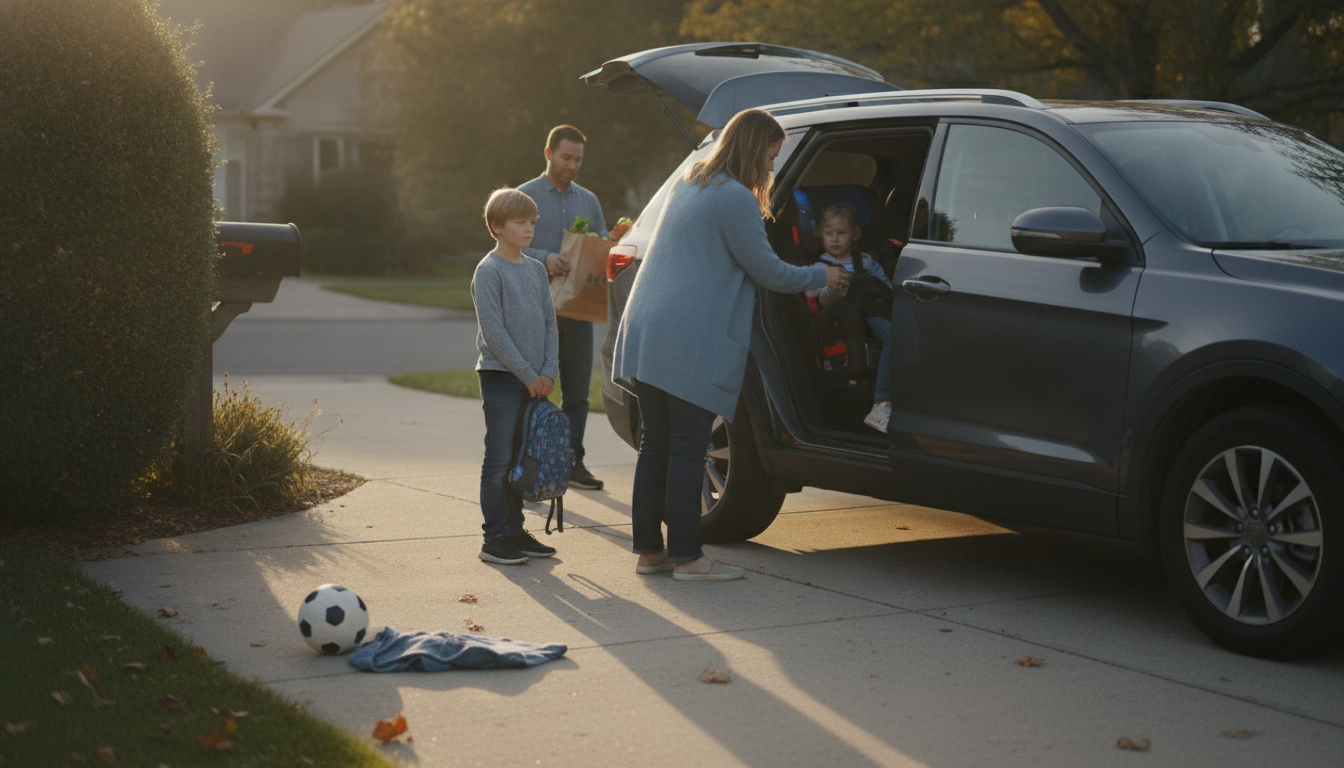
Extreme stress and anxiety can feel like your body is stuck in “high alert.” The goal is to lower the intensity in the moment, then reduce how often it spikes by supporting sleep, routine, and coping skills. Start with what’s most urgent: safety and getting your nervous system to downshift.
Step 1: Lower the intensity right now
Slow your breathing. Try a simple pattern: inhale through your nose for 4 seconds, exhale slowly for 6–8 seconds. Keep the exhale longer than the inhale for 2–3 minutes to signal your body to settle.
Ground your senses. Name 5 things you can see, 4 you can feel, 3 you can hear, 2 you can smell, and 1 you can taste. This pulls attention away from spiraling thoughts and back into the present.
Release muscle tension. Tighten your shoulders for 5 seconds, then let them drop. Repeat with hands, jaw, and legs. Anxiety often “lives” in muscle bracing, and letting go can reduce the feeling of danger.
Step 2: Reduce what’s fueling the surge
Do a quick check-in: Have you eaten recently? Had water? Too much caffeine? Too little sleep? Addressing basics can rapidly soften symptoms that feel purely “mental.”
Contain the worry. Write the main fear in one sentence, then list one next action that’s small and doable (send one email, take a shower, step outside for 3 minutes). Action interrupts rumination.
Step 3: Build a calmer baseline
Extreme stress is easier to manage when your daily load is lighter. Schedule brief “reset” moments (walks, stretching, quiet breaks), protect sleep, and consider professional support if anxiety is frequent, overwhelming, or tied to panic. For a structured set of calming options, use this practical checklist of relaxation exercises: https://estalius.com/guide-calm-down-checklist-relaxation-exercises-for-anxiety/.
FAQ
What are quick grounding techniques for panic symptoms?
Use the 5-4-3-2-1 method (sight, touch, sound, smell, taste) and pair it with slow exhaling. Adding a physical anchor—pressing your feet firmly into the floor or holding a cold glass—can help your body reconnect to the present.










Leave a comment