Training a 12-Week-Old Puppy: Easy Wins & Challenges
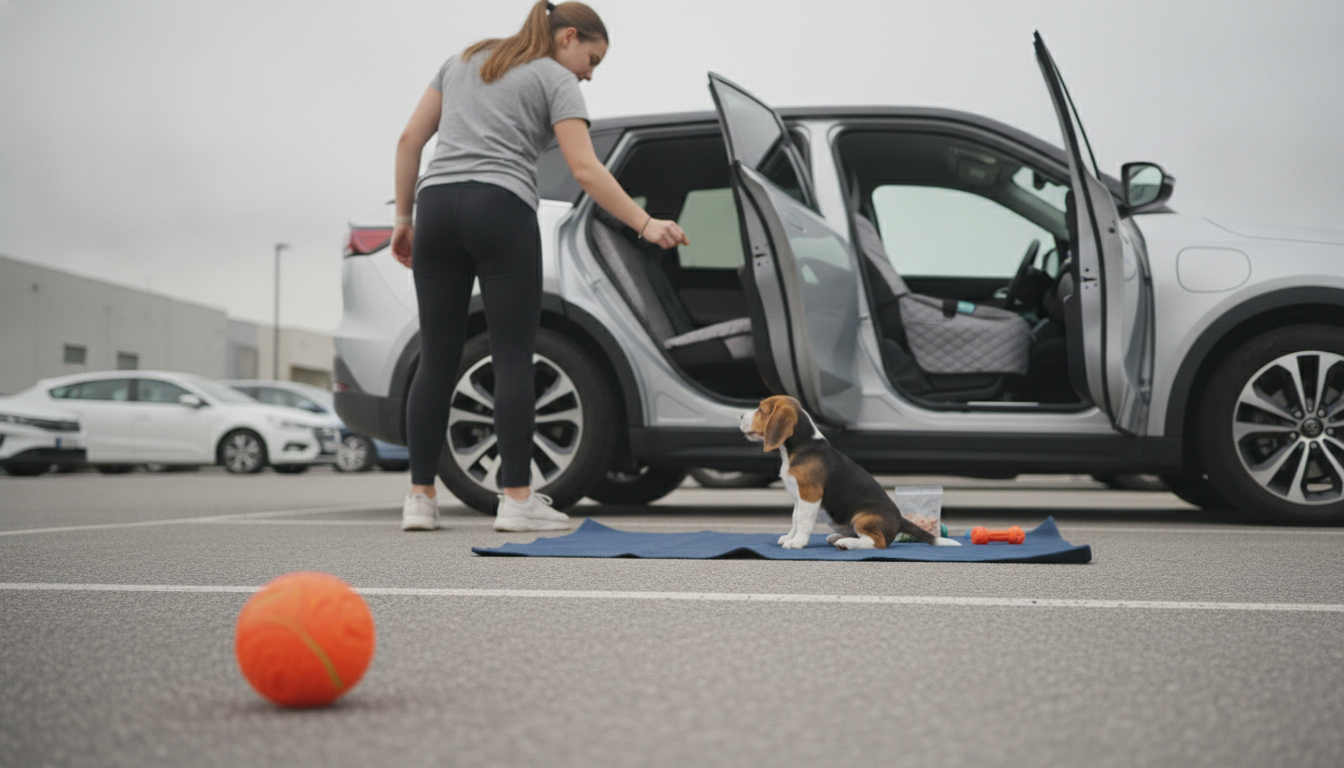
Is it hard to train a 12 week old puppy?
Training a 12 week old puppy usually isn’t “hard,” but it does require consistency, patience, and realistic expectations. At this age, puppies are curious, easily distracted, and still learning how to control their bodies and emotions. The upside is that they’re also highly adaptable—short, frequent lessons can stick quickly when you keep things simple and positive.
What makes 12 weeks a good training window?
By 12 weeks, many puppies are ready for routine. They can start connecting actions with outcomes (treats, praise, access to toys), and they’re typically comfortable exploring new environments with guidance. This makes it a strong time to build foundational habits like coming when called, sitting for attention, and beginning leash manners.
What’s realistically trainable at 12 weeks?
Focus on basics that set the tone for adulthood:
- House training: Frequent potty breaks, rewarding outdoor success, and supervision indoors.
- Crate comfort: Short, upbeat sessions with treats and a calm routine.
- Name recognition + recall: Reward your puppy for checking in and running to you.
- Gentle handling: Touch paws, ears, and mouth briefly while pairing with rewards.
- Simple cues: “Sit,” “down,” and “leave it” using lures and praise.
Common challenges (and why they’re normal)
If your puppy has accidents, mouths hands, barks, or “forgets” cues, that’s not stubbornness—it’s puppy development. Attention spans are short, and new skills aren’t reliable until they’re practiced in many places with increasing distractions. Keep sessions to 1–3 minutes, repeat them a few times a day, and end on a win.
How to make training feel easier
Use rewards your puppy truly wants (tiny treats, play, praise), prevent mistakes with baby gates and supervision, and stick to predictable routines for meals, naps, and potty trips. If you’re working through early training milestones, this guide can help: https://estalius.com/is-it-hard-to-train-a-week-old-puppy/.
FAQ
How long should training sessions be for a 12 week old puppy?
Aim for 1–3 minutes per session, repeated a few times daily. Short sessions prevent frustration and help your puppy stay engaged.










Leave a comment