Clean Wood Kitchen Cabinets Without Damaging Finish
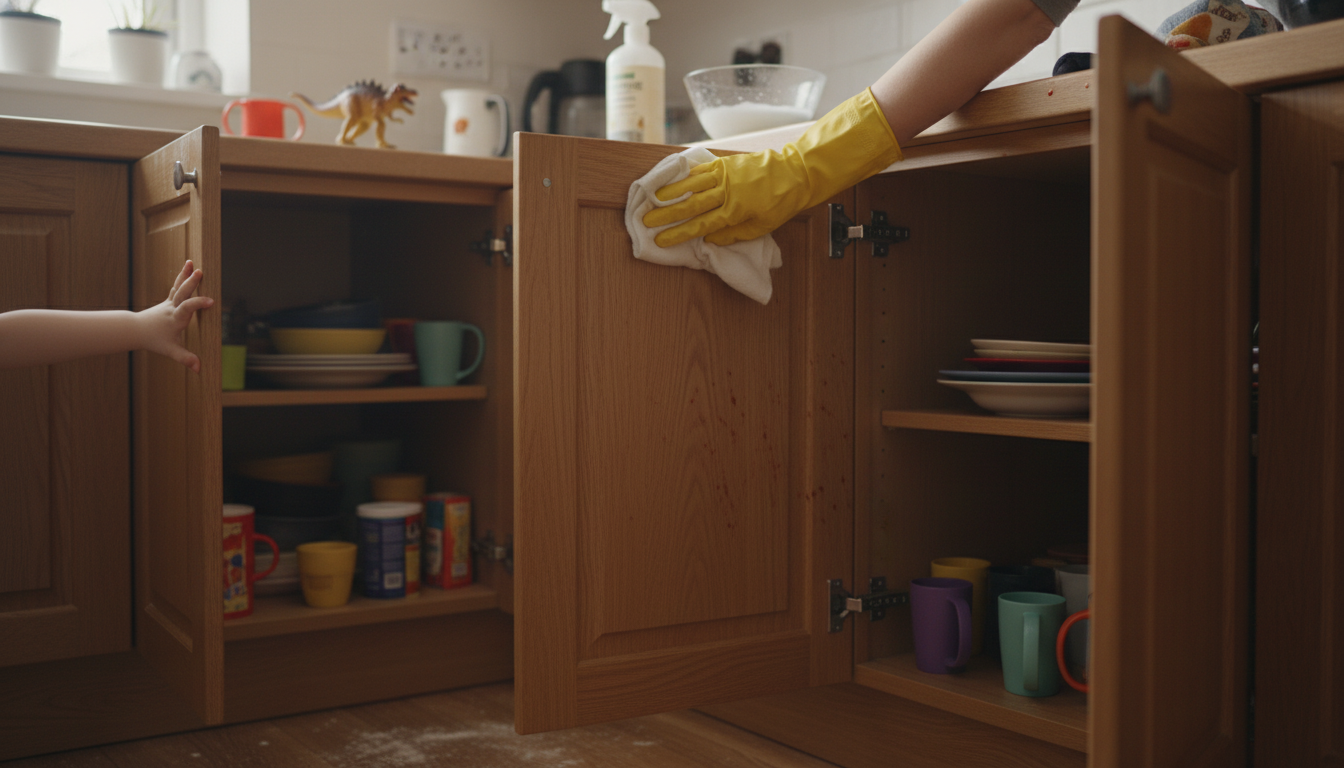
How to clean wooden kitchen cabinets without removing finish?
To clean wooden kitchen cabinets without stripping or dulling the finish, stick to gentle, low-moisture methods and avoid harsh chemicals. The goal is to lift grease and grime while keeping water exposure minimal and never scrubbing aggressively.
1) Start with a dry dusting
Remove loose dust first so it doesn’t turn into grit that can scratch. Use a microfiber cloth or a soft brush along door frames, grooves, and around hardware.
2) Use a mild soap solution (the safest go-to)
Mix a few drops of gentle dish soap into a bowl of warm water. Dip a microfiber cloth, wring it out until it’s just damp, and wipe in the direction of the wood grain. Follow immediately with a second cloth dampened with plain water to remove residue, then dry with a clean towel.
3) Tackle grease with a targeted approach
For sticky areas near the stove or handles, apply the same soapy solution and let it sit for 30–60 seconds (don’t soak the wood). Wipe lightly and repeat as needed rather than pressing hard. If buildup persists, test a 1:1 mix of white vinegar and water in an inconspicuous spot first, then use sparingly and dry right away.
4) Avoid finish-damaging cleaners
Skip abrasive pads, powdered cleaners, straight vinegar, ammonia, bleach, and strong degreasers unless the manufacturer specifically approves them. These can haze, soften, or discolor many cabinet finishes.
5) Keep water away from seams and edges
Never let liquid pool around panel edges, door bottoms, or joints. A barely damp cloth and quick drying are what protect the finish long-term.
For a step-by-step walkthrough and additional tips on stubborn spots, visit https://estalius.com/how-to-clean-wooden-kitchen-cabinets-without-removing-finish/.
For Clean Wood Kitchen Cabinets Without Damaging Finish, the best answer depends on fit, material, care instructions, and how the product will be used day to day.
FAQ
How often should you clean wood kitchen cabinets?
Wipe high-touch areas weekly and do a fuller clean about once a month. Spot-clean spills immediately to prevent staining or sticky buildup.











Leave a comment